Companies are exploring green design for environmentally conscious consumers
According to Wal-Mart's Live Better Index (March 2007) which measures customer attitudes and shopping behavior, 43% of Americans want to adopt an "extremely green" lifestyle in the next five years. While only 11% of Americans consider themselves green today, it is clear that consumers are placing a higher importance on the environment than ever before.
This movement towards green forces companies to take a look at their products and services and how it fits into this consumer mind-set. One way they are doing this is by exploring green design, which is designing in a way that complies with the principles of ecological sustainability.
"We are seeing more and more companies practice green design," said Steve McPhilliamy, director of design at Insight. "And it is more than materials; it is about the life cycle of the product, the engineering, the use and more. It may have started as a trend, but it is becoming a necessity."
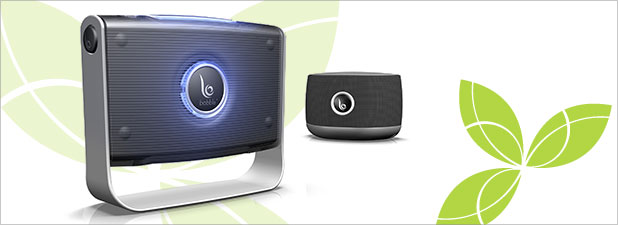
Insight first experienced green design when working on a project for Herman Miller's voice-privacy product Babble. Herman Miller, well known for their ecologically-friendly business practices, wanted the product to be designed in a way that minimized waste. "It is one way of being more conscious of the environment, thinking about the product from production to how it will be disposed of," said McPhilliamy.
Insight designed the plastic parts for easy disassembly, and the parts are molded with information on recycling; an important feature as many new technology products are quickly replaced.
"Babble was one of our first environmentally conscious products that we worked on," said McPhilliamy. "It was inspiring to work with Herman Miller on this product because they truly practice what they preach about being green."


